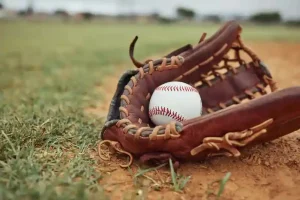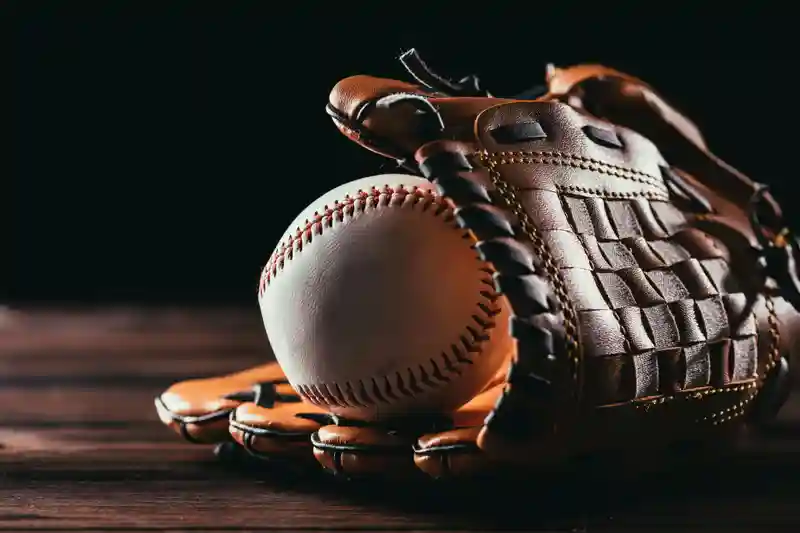
A baseball glove is one of the most personal pieces of equipment an athlete owns. Unlike many other sporting goods that can be used immediately after purchase, a new baseball glove often requires time, effort, and patience before it performs at its best. Straight from the manufacturer, many gloves feel stiff, rigid, and difficult to close. While this stiffness helps preserve the glove’s structure and durability, it can make catching and fielding more challenging during the early stages of ownership.
This is where the process known as glove breaking becomes important. Breaking in a baseball glove involves softening the leather, shaping the pocket, and molding the glove to the player’s hand and playing style. A properly broken-in glove can improve comfort, control, confidence, and overall fielding performance. For many players, the break-in process becomes a rite of passage that transforms a generic piece of equipment into a personalized tool that feels like a natural extension of the hand.
Despite its importance, glove breaking is often misunderstood. Some players rely on traditional methods passed down through generations, while others use modern techniques and specialized products. There are also numerous myths about the fastest ways to soften a glove, many of which can actually damage the leather or shorten the glove’s lifespan. Understanding the principles behind baseball glove breaking helps players create a glove that performs effectively while preserving its long-term durability.
What Does Breaking in a Baseball Glove Mean?
Breaking in a glove refers to the process of making a new glove more flexible, comfortable, and game-ready.
The goal is not simply to soften the leather.
A proper break-in process also involves:
- forming a pocket
- improving flexibility
- shaping the glove
- customizing fit
- enhancing control
The finished result should reflect both the player’s position and personal preferences.
A well-broken-in glove feels significantly different from a factory-fresh glove.
Why New Gloves Are Stiff
Most quality baseball gloves are manufactured using durable leather.
Manufacturers intentionally design gloves with stiffness because it helps maintain structure during shipping and storage.
The leather fibers remain tightly packed and relatively rigid.
This stiffness contributes to durability but limits flexibility.
Before the glove reaches peak performance, those fibers must gradually loosen and adapt through use.
The Relationship Between Leather and Performance
Leather remains the most common material used in high-quality baseball gloves.
Its popularity stems from several characteristics:
- durability
- flexibility
- comfort
- moldability
Unlike synthetic materials, leather can gradually conform to the shape of the player’s hand.
This ability to adapt makes the break-in process particularly important.
Why Breaking In Matters
A glove that is not properly broken in may create challenges during play.
Common issues include:
- difficulty closing the glove
- reduced control
- inconsistent catches
- discomfort
Breaking in the glove helps improve functionality while increasing confidence during fielding situations.
Many players consider a properly broken-in glove essential for optimal performance.
How Long Does It Take to Break In a Glove?
The answer depends on several factors.
These include:
- leather quality
- glove construction
- usage frequency
- break-in methods
Some gloves may become game-ready within a few weeks.
Others may require months of consistent use before reaching their preferred feel.
Premium leather gloves often take longer to break in but may offer superior long-term performance.
Understanding Glove Structure
Before discussing break-in methods, it is helpful to understand basic glove anatomy.
Major glove components include:
- palm
- fingers
- webbing
- heel
Each area contributes differently to performance.
The break-in process often focuses on specific sections depending on the player’s needs.
The Importance of Pocket Formation
The pocket is the area where the ball settles after being caught.
Creating an effective pocket is one of the primary objectives of glove breaking.
A properly formed pocket helps:
- secure catches
- improve ball control
- support quicker transfers
Different positions often require different pocket characteristics.
Position-Specific Preferences
Not every baseball glove should be broken in the same way.
Player position influences desired glove characteristics.
Examples include:
- infielders often prefer shallower pockets
- outfielders often prefer deeper pockets
- catchers require specialized pocket structures
- first basemen use unique glove designs
Break-in techniques should reflect these differences.
The Traditional Play-Catch Method
One of the most effective break-in methods is also the simplest: using the glove regularly.
Playing catch repeatedly allows the leather to soften naturally.
Benefits include:
- gradual adaptation
- realistic shaping
- reduced damage risk
Many experienced players believe consistent use remains the best long-term approach.
Repetition and Leather Conditioning
Every catch places stress on the leather.
Over time, repeated impacts help:
- loosen fibers
- increase flexibility
- define the pocket
This process occurs gradually and naturally.
The glove begins adapting to the player’s habits and techniques.
Using a Mallet During Break-In
Many players use glove mallets to accelerate pocket formation.
A glove mallet is designed to simulate the impact of a baseball.
Repeated strikes help:
- soften target areas
- shape the pocket
- increase flexibility
When used correctly, mallets can support the break-in process without causing damage.
Target Areas for Mallet Work
Players often focus mallet work on:
- the pocket
- finger hinges
- heel area
These locations frequently require additional flexibility.
Strategic use can help create a more game-ready feel.
Glove Conditioning Products
Specialized glove conditioners are widely available.
These products are designed to help maintain leather quality and flexibility.
Potential benefits include:
- moisture balance
- leather protection
- improved softness
However, moderation is important.
Excessive use may negatively affect glove performance.
Choosing the Right Conditioner
Not all leather products are suitable for baseball gloves.
Players should select products specifically designed for athletic equipment.
High-quality conditioning products help preserve leather without excessively softening it.
Proper product selection supports long-term durability.
The Importance of Moderation
One of the most common mistakes involves over-conditioning.
Too much product can:
- add unnecessary weight
- weaken leather structure
- reduce glove longevity
The objective is to maintain leather health rather than saturate the material.
Forming the Glove Shape
Many players shape gloves according to personal preferences.
Popular shaping approaches include:
- single-hinge breaks
- dual-hinge breaks
- thumb-to-pinky closures
These preferences influence how the glove closes and functions.
The break-in process should support the desired shape.
Thumb-to-Pinky Style
Thumb-to-pinky closure has become increasingly popular among players.
This approach encourages the thumb and pinky sides of the glove to close together.
Advantages may include:
- deeper pockets
- improved ball security
- enhanced glove control
Many professional players use variations of this style.
Storage Techniques During Break-In
Storage methods can influence glove development.
Many players store gloves with a baseball placed in the pocket.
This practice helps reinforce pocket formation.
Additional measures may include:
- wrapping the glove loosely
- maintaining shape during storage
Care should be taken to avoid excessive pressure.
Why Proper Storage Matters
Improper storage can affect glove structure.
Common issues include:
- flattening
- misshaping
- unnecessary stress
Consistent storage practices help preserve progress achieved during break-in.
Common Myths About Glove Breaking
Numerous glove-breaking myths have circulated for decades.
Some methods remain controversial because they may damage leather.
Understanding these myths helps players avoid unnecessary risks.
The Oven Myth
One of the most widely known myths involves heating gloves in ovens.
Although heat can temporarily soften leather, excessive temperatures may:
- dry out the material
- weaken fibers
- shorten lifespan
Most manufacturers discourage this practice.
The Microwave Myth
Some individuals have attempted to use microwaves to accelerate break-in.
This approach poses significant risks.
Potential consequences include:
- material damage
- uneven heating
- structural deterioration
Microwaving is generally considered unsafe for baseball gloves.
Excessive Water Exposure
Water has historically been used during break-in attempts.
While limited moisture may be involved in certain controlled methods, excessive soaking can damage leather.
Potential problems include:
- stiffness after drying
- cracking
- shape distortion
Careful moisture management is essential.
Professional Break-In Services
Some sporting goods retailers offer professional glove break-in services.
These programs may include:
- conditioning
- shaping
- pocket formation
Professional services can reduce break-in time, although results vary.
Many players still prefer personal customization through regular use.
Maintaining a Broken-In Glove
Breaking in a glove is only the beginning.
Ongoing maintenance helps preserve performance.
Recommended practices include:
- regular cleaning
- proper storage
- periodic conditioning
Consistent care supports long-term durability.
Cleaning the Glove
Dirt and debris can accumulate over time.
Cleaning helps maintain both appearance and performance.
Basic cleaning typically involves:
- removing surface dirt
- wiping leather carefully
- avoiding excessive moisture
Routine maintenance prevents unnecessary wear.
Seasonal Maintenance
Players often perform maintenance at the end of each season.
This may involve:
- inspection
- conditioning
- storage preparation
Seasonal care helps preserve the glove during periods of inactivity.
The Emotional Connection Players Develop
A well-broken-in glove often becomes more than equipment.
Many players develop strong attachments to gloves that have accompanied them through practices, games, and milestones.
The personalized fit and feel can be difficult to replicate.
This connection helps explain why many athletes keep favorite gloves for years.
Modern Innovations in Glove Design
Manufacturers continue developing new materials and construction techniques.
Companies such as Rawlings, Wilson Sporting Goods, and Mizuno offer gloves with varying break-in characteristics.
Some models are designed to require less break-in time while maintaining performance standards.
Frequently Asked Questions
How long does it take to break in a baseball glove?
The process may take anywhere from a few weeks to several months depending on the glove and usage patterns.
What is the best way to break in a glove?
Consistent use through playing catch is often considered the most effective and safest method.
Can glove conditioners help?
Yes, when used appropriately. Conditioning products can support leather flexibility and maintenance.
Should I soak my glove in water?
Excessive water exposure is generally discouraged because it may damage the leather.
Why do premium gloves take longer to break in?
Higher-quality leather is often denser and more durable, requiring additional time to soften and shape properly.
Final Thoughts
Breaking in a baseball glove is a process that combines patience, repetition, and personalization. While a new glove may initially feel stiff and difficult to use, gradual break-in allows the leather to soften, the pocket to form, and the glove to adapt to the player’s individual preferences. The result is a piece of equipment that feels uniquely tailored to its owner and supports improved performance on the field.
Although many techniques and products can assist with the process, consistent use remains one of the most effective methods for creating a reliable game-ready glove. Understanding proper break-in principles also helps players avoid damaging shortcuts that may compromise durability. Whether used by young athletes learning the game or experienced players competing at high levels, a properly broken-in glove can provide years of comfort, confidence, and dependable performance.