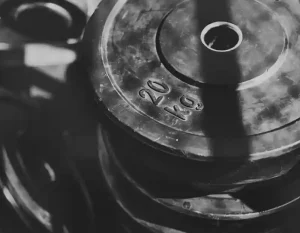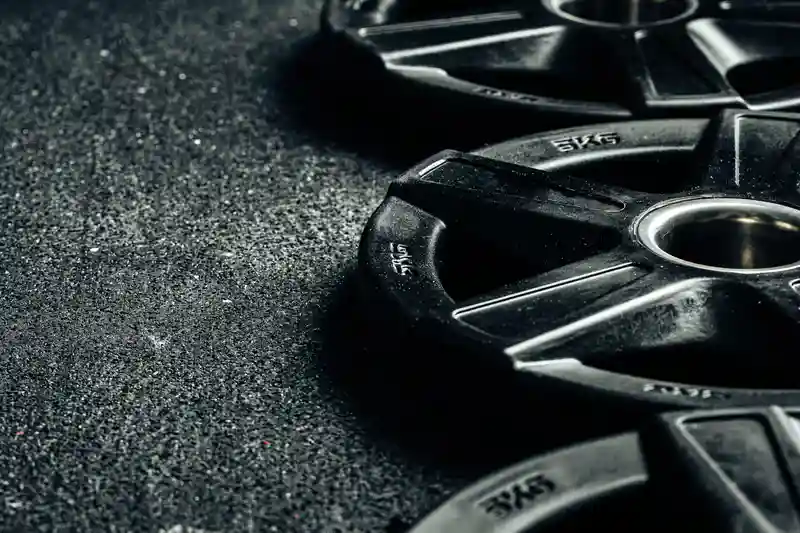
Walk into almost any gym and you will find barbells loaded with weight plates. At first glance, these plates may appear nearly identical because their primary purpose is the same: adding resistance to strength-training exercises. However, a closer look reveals significant differences in how weight plates are designed, constructed, and used. Two of the most common categories are bumper plates and iron plates, and each has become associated with specific training styles, athletic goals, and gym environments.
For beginners, the distinction may seem unimportant. After all, a 20-kilogram plate weighs 20 kilograms regardless of the material used to make it. Yet experienced lifters, coaches, gym owners, and athletes understand that plate selection can influence safety, equipment longevity, training efficiency, floor protection, noise levels, and overall workout experience. These factors become especially important when investing in a home gym or designing a commercial training facility.
The popularity of Olympic weightlifting, functional fitness training, powerlifting, and home gym setups has increased interest in understanding how different plate types compare. While bumper plates have become common in many modern training environments, traditional iron plates continue to play an important role in strength sports and general fitness facilities. Understanding the main differences between bumper plates and iron plates helps athletes choose equipment that best supports their training needs, budget, and long-term goals.
Understanding the Purpose of Weight Plates
Weight plates serve a straightforward function.
They provide adjustable resistance for barbell-based exercises.
Common exercises include:
- squats
- deadlifts
- bench presses
- overhead presses
- Olympic lifts
Although bumper and iron plates fulfill the same role, their designs are optimized for different training demands.
The differences become more noticeable as training intensity and specialization increase.
What Are Bumper Plates?
Bumper plates are weight plates primarily manufactured from rubber or rubber-based compounds.
They are designed to withstand repeated impact with the floor.
Most bumper plates feature a metal center hub surrounded by dense rubber material.
Their construction allows them to absorb shock during drops and dynamic lifting movements.
Bumper plates are commonly found in Olympic weightlifting gyms and functional fitness facilities.
What Are Iron Plates?
Iron plates are traditional weight plates made from cast iron, machined iron, or steel.
They have been a staple of strength training for generations.
Iron plates are valued for:
- durability
- compact size
- affordability
- versatility
Many powerlifting gyms and traditional strength facilities continue to rely heavily on iron plates.
Material Composition
The most obvious difference between bumper and iron plates is the material used in their construction.
Bumper plates consist primarily of rubber.
Iron plates are manufactured from metal.
This single distinction influences many other characteristics, including:
- impact resistance
- noise levels
- floor protection
- weight distribution
Material composition forms the foundation of nearly every performance difference between the two options.
Impact Resistance
One of the defining characteristics of bumper plates is their ability to absorb impact.
When dropped, the rubber construction helps disperse force.
This makes bumper plates suitable for exercises that involve releasing the barbell from overhead positions.
Examples include:
- snatches
- clean and jerks
- power cleans
Iron plates generally do not offer the same level of impact absorption.
Repeated dropping can increase the risk of equipment damage.
Floor Protection
Floor protection is often a major factor when choosing weight plates.
When iron plates strike the ground, a significant amount of force is transferred directly into the flooring.
This can contribute to:
- floor damage
- cracks
- dents
- excessive wear
Bumper plates reduce these risks because the rubber material absorbs much of the impact.
For home gyms, this benefit is often especially important.
Noise Levels
Noise is another area where bumper and iron plates differ significantly.
Iron plates tend to produce:
- loud impacts
- metal-on-metal sounds
- rattling during movement
Bumper plates generally create less noise.
Their rubber construction dampens impact and reduces vibration.
Individuals training in apartments, garages, or shared spaces often appreciate this advantage.
Durability Differences
Both bumper plates and iron plates can be highly durable when manufactured properly.
However, durability should be considered in relation to intended use.
Iron plates perform exceptionally well under traditional strength training conditions.
Bumper plates excel when repeated drops and dynamic movements are involved.
Each type is durable within its intended application.
Plate Thickness
Bumper plates are typically thicker than iron plates of the same weight.
This occurs because rubber is less dense than metal.
The increased thickness influences:
- storage requirements
- barbell loading capacity
- handling characteristics
Iron plates are generally more compact and space-efficient.
This difference becomes more important as training loads increase.
Barbell Sleeve Capacity
Because bumper plates occupy more space on a barbell sleeve, they limit the maximum amount of weight that can be loaded.
Iron plates allow greater loading capacity due to their thinner profile.
This distinction is particularly relevant for:
- advanced powerlifters
- strongman athletes
- elite strength competitors
Heavy lifters often value the additional loading flexibility provided by iron plates.
Plate Diameter
Most bumper plates share a standardized diameter regardless of weight.
This consistency allows the barbell to sit at the correct height for Olympic lifting movements.
Iron plates vary in diameter according to weight.
Lighter iron plates are usually smaller than heavier ones.
These differences affect how the barbell interacts with the floor during certain exercises.
Olympic Weightlifting Compatibility
Olympic weightlifting places unique demands on equipment.
Athletes regularly drop barbells from overhead positions.
Bumper plates were developed specifically to accommodate these movements.
Their design helps protect:
- barbells
- flooring
- training environments
For Olympic lifting, bumper plates are generally considered the preferred choice.
Powerlifting Compatibility
Powerlifting focuses on three primary lifts:
- squat
- bench press
- deadlift
These movements typically do not involve dropping weights from overhead positions.
As a result, many powerlifting gyms continue using iron plates extensively.
Their compact design and loading capacity align well with powerlifting requirements.
Bounce Characteristics
Bumper plates often bounce after contacting the floor.
The degree of bounce varies depending on construction quality and material density.
Controlled bounce can be beneficial in some environments.
However, excessive bounce may create challenges in crowded training areas.
Iron plates generally produce little or no bounce.
Weight Accuracy
Weight accuracy refers to how closely a plate matches its advertised weight.
High-quality products in both categories can achieve excellent precision.
Competition-grade plates often undergo strict manufacturing standards.
For most recreational lifters, small variations have minimal practical impact.
Competitive athletes may place greater importance on accuracy.
Storage Considerations
Storage requirements differ between bumper and iron plates.
Because bumper plates are thicker, they occupy more rack space.
Iron plates generally allow:
- denser storage
- smaller storage systems
- more compact organization
Space limitations may influence purchasing decisions, especially in home gyms.
Cost Differences
Cost remains one of the most important considerations for many buyers.
In general:
- iron plates are less expensive
- bumper plates cost more
The price difference often reflects material costs and manufacturing complexity.
Budget-conscious lifters frequently compare both options carefully before investing.
Long-Term Value
Evaluating value requires looking beyond initial purchase price.
Factors influencing long-term value may include:
- durability
- maintenance needs
- floor protection
- versatility
The best value depends largely on how the equipment will be used.
Home Gym Applications
Home gym owners face unique challenges.
Common concerns include:
- noise control
- floor protection
- limited space
- equipment longevity
These factors often make bumper plates particularly attractive.
However, some home gym owners still prefer iron plates due to lower costs and compact storage.
Commercial Gym Applications
Commercial facilities often select plates based on member demographics and training priorities.
Examples include:
- weightlifting gyms favoring bumper plates
- powerlifting gyms favoring iron plates
- general fitness centers using a combination of both
The intended user base typically influences equipment selection.
Safety Considerations
Safety should always be part of equipment evaluation.
Bumper plates may offer advantages in environments where dropping weights is common.
Their impact absorption helps reduce stress on:
- equipment
- floors
- training areas
Iron plates remain safe when used appropriately within traditional strength training settings.
Maintenance Requirements
Both plate types require relatively little maintenance.
Basic care may include:
- cleaning
- proper storage
- periodic inspections
Maintenance requirements are generally straightforward regardless of material type.
Which Athletes Prefer Bumper Plates?
Bumper plates are commonly favored by:
- Olympic weightlifters
- CrossFit athletes
- functional fitness enthusiasts
- home gym owners concerned about noise
Their design supports dynamic movements and repeated impact.
Which Athletes Prefer Iron Plates?
Iron plates are often preferred by:
- powerlifters
- strongman competitors
- traditional strength athletes
- budget-conscious lifters
Their compact size and loading capacity make them highly practical for heavy lifting.
Hybrid Training Environments
Many gyms avoid choosing exclusively between the two options.
Instead, they maintain both bumper and iron plates.
This hybrid approach provides flexibility for multiple training styles.
It also allows athletes to select equipment based on specific exercises.
The Future of Weight Plate Design
Manufacturers continue developing new products that blend characteristics from both categories.
Companies such as Rogue Fitness, Eleiko, and REP Fitness continue introducing innovations designed to improve performance, durability, and user experience.
Frequently Asked Questions
What is the biggest difference between bumper and iron plates?
The primary difference is material composition. Bumper plates use rubber, while iron plates use metal.
Are bumper plates safer?
For exercises involving drops, bumper plates generally provide better impact absorption and floor protection.
Why are bumper plates thicker?
Rubber is less dense than metal, requiring greater thickness to achieve the same weight.
Are iron plates better for powerlifting?
Many powerlifters prefer iron plates because they are thinner and allow greater loading capacity.
Which option is better for home gyms?
The answer depends on priorities, but bumper plates are often favored for noise reduction and floor protection.
Final Thoughts
The main differences between bumper plates and iron plates extend far beyond their appearance. Material composition influences how each type performs in terms of durability, impact resistance, floor protection, noise levels, storage efficiency, and training compatibility. Bumper plates excel in environments where dynamic lifting and dropping are common, while iron plates remain highly effective for traditional strength training and heavy loading applications.
Rather than viewing one option as universally superior, it is more accurate to recognize that each serves a different purpose. Olympic weightlifters and functional fitness athletes often benefit most from bumper plates, while powerlifters and traditional strength enthusiasts frequently appreciate the advantages of iron plates. By understanding the characteristics of both options, athletes can make informed equipment choices that align with their goals, training style, available space, and budget, ultimately creating a safer and more effective strength-training environment.