The clothing people wear affects far more than appearance. Comfort, temperature regulation, mobility, and overall physical performance are all influenced by fabric selection. Whether someone is exercising in a gym, hiking through a mountain trail, commuting to work in hot weather, or simply spending time outdoors, clothing plays a critical role in managing the body’s interaction with its environment. One of the most significant innovations in modern textile technology is the development of moisture wicking fabric.
In the past, many garments were made primarily from materials that absorbed and retained sweat. While these fabrics often provided comfort under certain conditions, they could become heavy, damp, and uncomfortable during physical activity. Advances in textile engineering led to the creation of fabrics specifically designed to manage moisture more efficiently. These materials help move perspiration away from the skin, promoting faster evaporation and improving overall comfort.
Today, moisture wicking fabrics are found in a wide range of products, including athletic apparel, outdoor clothing, uniforms, workwear, undergarments, and even bedding. Their popularity extends beyond professional athletes and fitness enthusiasts because the benefits of moisture management apply to nearly everyone. Understanding how moisture wicking fabrics work, what materials are commonly used, and why they have become so important can help consumers make more informed clothing choices and better understand one of the most influential developments in modern apparel technology.
What Is Moisture Wicking Fabric?
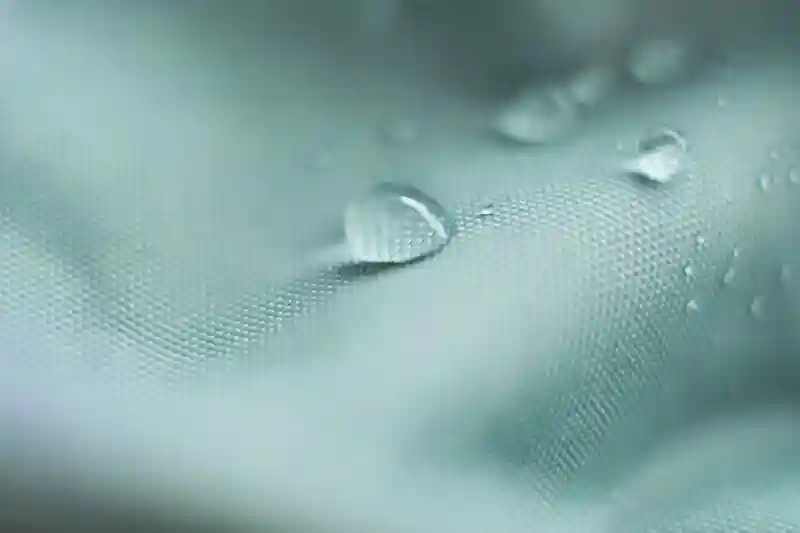
Moisture wicking fabric is a textile specifically engineered to move moisture away from the skin and transport it to the outer surface of the fabric.
Once the moisture reaches the outer surface, it can evaporate more efficiently.
This process helps keep the wearer drier and more comfortable.
Unlike traditional absorbent materials, moisture wicking fabrics focus on moisture movement rather than moisture retention.
This distinction is central to their performance.
Understanding Perspiration and Body Cooling
To understand moisture wicking technology, it is helpful to understand why humans sweat.
Sweating is one of the body’s primary cooling mechanisms.
When body temperature rises, sweat glands release moisture onto the skin.
As this moisture evaporates, heat is removed from the body.
This natural process helps regulate temperature during:
- exercise
- hot weather
- physical labor
- stressful situations
Clothing can either support or hinder this cooling process.
The Problem With Moisture Retention
Some fabrics absorb sweat and hold it close to the skin.
While absorption can temporarily remove moisture from the skin surface, excessive retention often creates challenges.
Potential issues include:
- discomfort
- increased garment weight
- slower drying times
- chafing
- temperature fluctuations
These problems become more noticeable during prolonged physical activity.
How Moisture Wicking Works
Moisture wicking fabrics function through capillary action.
This process allows moisture to move through small spaces within the fabric structure.
Rather than remaining concentrated in one location, moisture spreads across a larger surface area.
The increased surface exposure accelerates evaporation.
As evaporation occurs, the wearer often feels cooler and drier.
The Role of Fabric Structure
The effectiveness of moisture wicking depends heavily on fabric construction.
Engineers design textiles with specific characteristics that encourage moisture movement.
Important factors include:
- fiber arrangement
- yarn structure
- surface area
- fabric density
These characteristics influence how efficiently moisture travels through the material.
Hydrophobic and Hydrophilic Properties
Many moisture wicking fabrics utilize a combination of hydrophobic and hydrophilic behaviors.
Hydrophobic fibers repel water.
Hydrophilic elements attract moisture.
Together, these characteristics help move sweat away from the skin while encouraging evaporation.
This balance contributes significantly to fabric performance.
Why Moisture Wicking Matters
The importance of moisture management extends beyond simple comfort.
Proper moisture control can influence:
- athletic performance
- temperature regulation
- skin health
- overall user experience
As a result, moisture wicking fabrics have become valuable across many industries and applications.
Enhanced Comfort
One of the most immediate benefits is improved comfort.
Dry clothing generally feels more comfortable than damp clothing.
By reducing moisture accumulation, wicking fabrics help minimize sensations of stickiness and heaviness.
This advantage is particularly noticeable during extended physical activity.
Temperature Regulation Benefits
Temperature regulation is another major benefit.
Moisture trapped against the skin can contribute to overheating in warm conditions.
Conversely, damp clothing may increase heat loss in cooler environments.
Moisture wicking fabrics help support more consistent thermal comfort by facilitating evaporation.
Reduced Chafing and Friction
Excess moisture often increases friction between skin and fabric.
This friction can contribute to:
- irritation
- chafing
- discomfort
By helping keep the skin drier, moisture wicking fabrics may reduce these issues.
Athletes and outdoor enthusiasts often appreciate this advantage.
Faster Drying Times
Many moisture wicking fabrics dry significantly faster than traditional absorbent materials.
Faster drying can improve comfort during:
- workouts
- travel
- outdoor activities
Quick-drying garments are particularly useful when access to laundry facilities is limited.
Common Materials Used in Moisture Wicking Fabrics
Numerous materials can be engineered for moisture management.
Some are synthetic, while others are natural or blended.
Material selection influences performance characteristics, durability, feel, and cost.
Polyester
Polyester is among the most common moisture wicking materials.
Its popularity stems from several characteristics:
- durability
- lightweight construction
- moisture management capabilities
- affordability
Many athletic garments rely heavily on polyester-based fabrics.
Nylon
Nylon is another frequently used synthetic fiber.
Advantages may include:
- strength
- flexibility
- abrasion resistance
Nylon can be engineered to provide effective moisture management while maintaining durability.
Polypropylene
Polypropylene is highly hydrophobic.
Because it resists moisture absorption, it can facilitate moisture transport and rapid drying.
It is often used in specialized performance apparel.
Merino Wool
Although wool is often associated with warmth, merino wool offers impressive moisture management capabilities.
Benefits include:
- temperature regulation
- odor resistance
- comfort
Merino wool remains popular in outdoor and performance apparel.
Fabric Blends
Many garments utilize blended materials.
Blends may combine:
- polyester and cotton
- nylon and spandex
- wool and synthetic fibers
These combinations seek to balance performance characteristics and comfort.
Moisture Wicking in Athletic Apparel
Sportswear represents one of the largest applications for moisture wicking technology.
Athletes frequently generate significant amounts of perspiration during training and competition.
Moisture management helps support comfort and performance across a variety of sports.
Running Apparel
Runners often rely on moisture wicking garments because prolonged activity can produce substantial sweat.
Benefits may include:
- reduced discomfort
- improved temperature regulation
- lighter garment feel
These factors contribute to more enjoyable running experiences.
Gym and Fitness Clothing
Fitness apparel commonly incorporates moisture wicking fabrics.
Exercises such as:
- weight training
- cycling
- group fitness classes
- high-intensity interval training
often involve substantial perspiration.
Moisture management helps support comfort during workouts.
Outdoor Recreation Applications
Outdoor enthusiasts frequently encounter varying environmental conditions.
Activities such as:
- hiking
- camping
- climbing
- backpacking
benefit from effective moisture management.
Outdoor clothing often combines moisture wicking with additional performance features.
Workwear Applications
Moisture wicking technology extends beyond athletics.
Workers in physically demanding occupations may benefit from improved moisture management.
Examples include:
- construction workers
- warehouse employees
- landscapers
- manufacturing personnel
Comfort can influence productivity and job satisfaction.
Everyday Casual Clothing
The popularity of moisture wicking fabrics has expanded into everyday apparel.
Many consumers appreciate the comfort advantages offered by moisture management technologies.
As a result, moisture wicking materials increasingly appear in:
- T-shirts
- underwear
- socks
- casual clothing
Moisture Wicking Socks
Socks play an important role in moisture management.
Foot perspiration can contribute to discomfort and blister formation.
Moisture wicking socks help:
- reduce moisture buildup
- improve comfort
- support foot health
They are especially popular among athletes and hikers.
Moisture Wicking Undergarments
Undergarments sit directly against the skin.
Because of this close contact, moisture management becomes particularly important.
Moisture wicking underwear often supports:
- comfort
- hygiene
- temperature regulation
Odor Control Considerations
Moisture itself does not cause odor.
Instead, odor often develops when bacteria interact with perspiration.
Many moisture wicking fabrics incorporate odor-management technologies.
These features may help improve freshness during extended wear.
Breathability Versus Moisture Wicking
Although related, breathability and moisture wicking are not identical concepts.
Breathability refers to airflow through a fabric.
Moisture wicking refers to moisture transport.
A fabric may excel in one area without necessarily excelling in the other.
High-performance garments often optimize both characteristics.
Moisture Wicking and Layering Systems
Outdoor apparel frequently uses layering systems.
Different layers perform different functions.
Moisture wicking base layers help move perspiration away from the skin.
This supports comfort and thermal regulation throughout the system.
Environmental Considerations
As sustainability becomes increasingly important, attention has shifted toward environmentally responsible textile production.
Some manufacturers now develop moisture wicking fabrics using:
- recycled materials
- sustainable production methods
- lower-impact manufacturing processes
These efforts seek to balance performance with environmental responsibility.
Caring for Moisture Wicking Fabrics
Proper maintenance helps preserve fabric performance.
Recommended practices often include:
- following care labels
- avoiding excessive heat
- minimizing fabric softener use
Appropriate care supports long-term effectiveness.
Common Misconceptions
Several misconceptions surround moisture wicking technology.
Examples include:
- moisture wicking fabrics eliminate sweating
- all synthetic fabrics wick moisture equally
- moisture wicking and waterproofing are the same
Understanding the technology helps clarify these misunderstandings.
The Future of Moisture Management Technology
Textile innovation continues advancing rapidly.
Researchers and manufacturers are exploring:
- smart fabrics
- advanced fiber structures
- enhanced cooling technologies
- sustainable performance materials
Companies such as Nike, Under Armour, and Patagonia continue investing in fabric innovation to improve moisture management and user comfort.
Frequently Asked Questions
What is moisture wicking fabric?
It is a fabric designed to move moisture away from the skin and promote faster evaporation.
Does moisture wicking stop sweating?
No. It helps manage sweat after it is produced but does not prevent perspiration.
Is moisture wicking only for athletes?
No. Many people benefit from moisture management in everyday clothing and workwear.
Which materials are commonly used for moisture wicking?
Polyester, nylon, polypropylene, and merino wool are among the most common options.
Are moisture wicking fabrics breathable?
Many are breathable, although breathability and moisture wicking are separate performance characteristics.
Final Thoughts
Moisture wicking fabric has transformed modern apparel by helping people stay more comfortable, drier, and better regulated during a wide range of activities. Through advanced textile engineering, these fabrics move perspiration away from the skin and encourage faster evaporation, reducing many of the discomforts traditionally associated with sweating. Their effectiveness has made them a standard feature in athletic wear, outdoor clothing, work uniforms, undergarments, and everyday apparel.
As consumer expectations continue evolving, moisture management remains one of the most important performance characteristics in modern textiles. Whether supporting athletic performance, enhancing workplace comfort, improving outdoor experiences, or simply making daily life more comfortable, moisture wicking fabrics provide practical benefits that extend well beyond sports. With ongoing innovations in materials and manufacturing processes, moisture management technology is likely to remain a central focus of the apparel industry for years to come.