Few items allow sports fans to show their loyalty quite like a team jersey. Whether worn on game day, displayed as part of a memorabilia collection, or incorporated into everyday casual fashion, jerseys have become one of the most recognizable pieces of sports apparel. However, purchasing a jersey is not always as straightforward as selecting a favorite team or player. One of the most common challenges buyers face is determining the correct size, especially when purchasing authentic jerseys.
Many people assume that authentic jerseys fit the same way as ordinary T-shirts or replica jerseys. In reality, authentic jerseys are often designed differently because they are modeled after the uniforms worn by professional athletes during competition. These design differences can significantly affect fit, comfort, and appearance. A jersey that looks perfect online may feel unexpectedly tight, loose, long, or structured when it arrives.
Understanding authentic jersey sizing is therefore essential for making an informed purchase. Proper sizing influences comfort, mobility, style, layering options, and overall satisfaction with the garment. Whether someone is buying their first authentic jersey or expanding an existing collection, understanding how sizing works can help avoid disappointment and ensure a better fit. Because authentic jerseys often represent a larger investment than standard sports apparel, selecting the correct size becomes even more important.
What Is an Authentic Jersey?
An authentic jersey is a premium version of a sports uniform designed to closely replicate what professional athletes wear during games.
These jerseys typically feature:
- high-quality materials
- advanced construction methods
- official design specifications
- premium detailing
Authentic jerseys are often considered the closest consumer equivalent to on-field or on-court uniforms.
Because they are performance-oriented garments, their fit may differ from casual apparel.
How Authentic Jerseys Differ From Replica Jerseys
One of the biggest sources of confusion involves the distinction between authentic and replica jerseys.
While both represent teams and players, they are designed for different purposes.
Authentic jerseys generally emphasize:
- athletic performance
- premium materials
- professional styling
Replica jerseys often prioritize:
- casual wear
- affordability
- relaxed comfort
These differences frequently influence sizing and fit.
Why Sizing Can Be Confusing
Jersey sizing can be more complicated than ordinary clothing sizes.
Several factors contribute to this complexity.
These include:
- sport-specific designs
- brand differences
- athletic cuts
- regional sizing variations
A medium jersey from one manufacturer may fit differently than a medium from another.
This variability makes size selection more challenging.
The Purpose of Athletic Fit Design
Authentic jerseys are often designed with athletic performance in mind.
Professional athletes require garments that support movement and reduce excess material.
As a result, authentic jerseys may feature:
- tapered silhouettes
- structured cuts
- performance fabrics
These design characteristics can influence how the jersey fits everyday consumers.
Why Authentic Jerseys Often Fit Differently
Many buyers are surprised when an authentic jersey fits differently than expected.
The reason is simple: these garments were originally designed for elite athletes.
Athletes often wear equipment, padding, or protective gear underneath uniforms.
Designers consider these factors when developing jersey dimensions.
As a result, fit characteristics may not mirror everyday casual clothing.
Understanding Jersey Size Labels
Most authentic jerseys use standardized sizing systems.
Common size categories include:
- small
- medium
- large
- extra large
- double extra large
Some manufacturers also provide numerical sizing systems.
Understanding these labels helps buyers navigate available options more effectively.
Numerical Jersey Sizing
Certain sports leagues and manufacturers use numerical sizing rather than traditional letter-based sizes.
Examples may include:
- 40
- 44
- 48
- 52
- 56
These numbers typically correspond to chest measurements or garment dimensions.
Consulting official size charts is often necessary when numerical systems are used.
Why Measurements Matter
Measurements provide a more reliable sizing method than size labels alone.
Important measurements often include:
- chest circumference
- waist circumference
- body length
- shoulder width
Comparing personal measurements with manufacturer specifications improves sizing accuracy.
This approach reduces the likelihood of ordering the wrong size.
Chest Measurement Considerations
The chest measurement is often the most important factor when selecting a jersey size.
Because jerseys are typically worn over the upper body, chest dimensions significantly influence overall fit.
A properly fitted chest area should allow comfortable movement without excessive tightness.
Body Length and Proportions
Length is another important consideration.
Some jerseys are designed with extended lengths to accommodate athletic movements.
Longer jerseys may appear oversized on individuals with shorter torsos.
Understanding garment length helps buyers anticipate overall appearance and comfort.
Shoulder Fit
Shoulder fit affects both comfort and aesthetics.
A jersey with shoulders that are too narrow may restrict movement.
One with excessively wide shoulders may appear oversized.
Proper shoulder alignment contributes significantly to overall fit quality.
Fabric Characteristics and Fit
Modern authentic jerseys often utilize performance fabrics.
These materials may offer characteristics such as:
- moisture management
- flexibility
- breathability
- durability
Fabric behavior can influence how a jersey feels during wear.
Performance-oriented materials may fit differently than traditional cotton garments.
Sport-Specific Sizing Differences
Authentic jersey sizing often varies according to the sport involved.
Different sports have unique performance requirements, which influence uniform design.
Understanding these differences helps consumers set realistic expectations.
Football Jersey Sizing
Football jerseys are often designed to accommodate protective equipment.
As a result, they may feature:
- broader cuts
- longer sleeves
- more structured shapes
Some football jerseys fit differently than everyday casual apparel.
Buyers often evaluate layering preferences when selecting sizes.
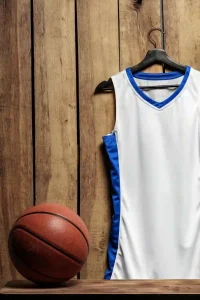
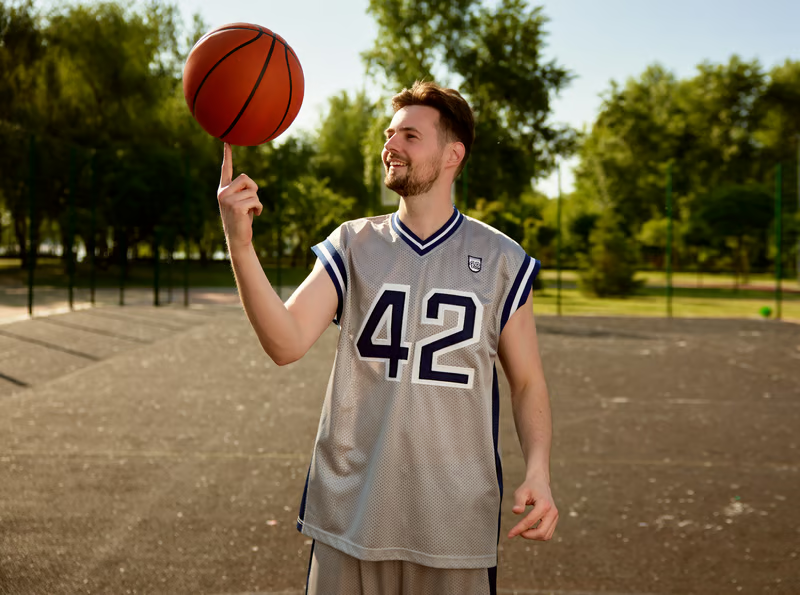
Basketball Jersey Sizing
Basketball jerseys typically emphasize freedom of movement.
Common characteristics include:
- sleeveless construction
- longer body lengths
- athletic cuts
Fit preferences vary widely among fans.
Some prefer a traditional athletic appearance, while others prefer a more relaxed fit.
Baseball Jersey Sizing
Baseball jerseys often feature button-front designs and looser silhouettes.
These characteristics create a different fit profile than many other sports jerseys.
Length and shoulder dimensions frequently play important roles in sizing decisions.
Hockey Jersey Sizing
Hockey jerseys tend to fit larger than many other jersey types.
Professional players wear substantial protective equipment beneath their uniforms.
As a result, authentic hockey jerseys often feature generous dimensions.
Many fans intentionally size down for casual wear.
Soccer Jersey Sizing
Modern soccer jerseys frequently utilize streamlined athletic cuts.
Manufacturers often emphasize:
- lightweight construction
- body-contoured fits
- performance fabrics
Buyers seeking a relaxed fit may sometimes choose larger sizes.
The Importance of Layering
Layering preferences influence jersey sizing decisions.
Some fans wear jerseys:
- over T-shirts
- over hoodies
- as standalone garments
The intended use affects how much additional space may be required.
Considering layering needs before purchasing helps improve satisfaction.
Casual Fit Versus Athletic Fit
Fit preferences are highly personal.
Some individuals prefer jerseys that closely resemble professional uniforms.
Others prefer looser, casual fits.
Neither approach is inherently correct.
The ideal size depends on comfort, style goals, and intended use.
Online Shopping Challenges
Purchasing jerseys online introduces additional challenges.
Customers cannot try garments on before buying.
To reduce uncertainty, buyers should:
- review size charts
- compare measurements
- read customer reviews
- examine product descriptions
These steps help improve sizing accuracy.
Common Jersey Sizing Mistakes
Several mistakes frequently occur during jersey purchases.
Common examples include:
- relying solely on standard clothing sizes
- ignoring size charts
- overlooking length measurements
- assuming all brands fit identically
Awareness of these issues helps prevent disappointment.
Why Brand Differences Matter
Different manufacturers often use different sizing standards.
A large jersey from one brand may fit differently than a large from another.
Brand-specific charts provide the most reliable guidance.
Consumers should avoid assuming universal consistency.
Gender-Specific Jersey Sizing
Many manufacturers offer:
- men’s jerseys
- women’s jerseys
- youth jerseys
These categories often feature unique fit characteristics.
Selecting the appropriate category helps ensure better comfort and appearance.
Youth Jersey Considerations
Youth sizing differs substantially from adult sizing.
Parents purchasing jerseys for children should focus on:
- growth considerations
- comfort
- intended wear duration
Proper sizing helps maximize value and usability.
Collectors Versus Everyday Wearers
Some buyers purchase jerseys primarily for display or collection purposes.
Others intend to wear them frequently.
The intended use may influence sizing preferences.
Collectors may prioritize authenticity, while everyday wearers often emphasize comfort.
Caring for Authentic Jerseys
Proper care helps preserve fit and appearance.
Recommended practices may include:
- following manufacturer instructions
- avoiding excessive heat
- storing garments appropriately
Maintenance helps protect the investment made in authentic sports apparel.
The Growing Popularity of Authentic Jerseys
Authentic jerseys have become increasingly popular among sports fans worldwide.
Their appeal stems from:
- premium construction
- authenticity
- collectible value
- connection to favorite teams and athletes
As demand continues growing, understanding sizing becomes even more important.
Brands such as Nike, Adidas, and Fanatics offer authentic jerseys across multiple professional leagues and sports.
Frequently Asked Questions
Do authentic jerseys fit the same as replica jerseys?
Not always. Authentic jerseys often feature more athletic cuts and performance-oriented designs.
Should I size up when buying an authentic jersey?
The answer depends on personal preferences, layering needs, and the specific brand’s sizing standards.
Why are authentic jerseys more expensive?
They typically use higher-quality materials, advanced construction methods, and official design specifications.
Are authentic jerseys designed for athletes?
They are modeled after professional uniforms, which can influence fit characteristics.
How can I find the correct size?
Comparing personal measurements with official manufacturer size charts is generally the most reliable method.
Final Thoughts
Authentic jersey sizing can be more complex than many consumers initially expect because these garments are designed to replicate professional athletic uniforms rather than ordinary casual clothing. Factors such as sport-specific construction, performance fabrics, athletic cuts, body length, shoulder dimensions, and brand-specific standards all contribute to how a jersey fits. Understanding these variables helps buyers make more informed decisions and reduces the likelihood of sizing mistakes.
Whether purchasing a jersey for game-day wear, collecting memorabilia, supporting a favorite player, or incorporating sports apparel into everyday fashion, selecting the correct size is essential for comfort and satisfaction. Taking the time to review measurements, compare size charts, and consider personal fit preferences can greatly improve the purchasing experience. With the right approach, an authentic jersey becomes more than a piece of clothing—it becomes a comfortable, meaningful representation of sports fandom and personal style.