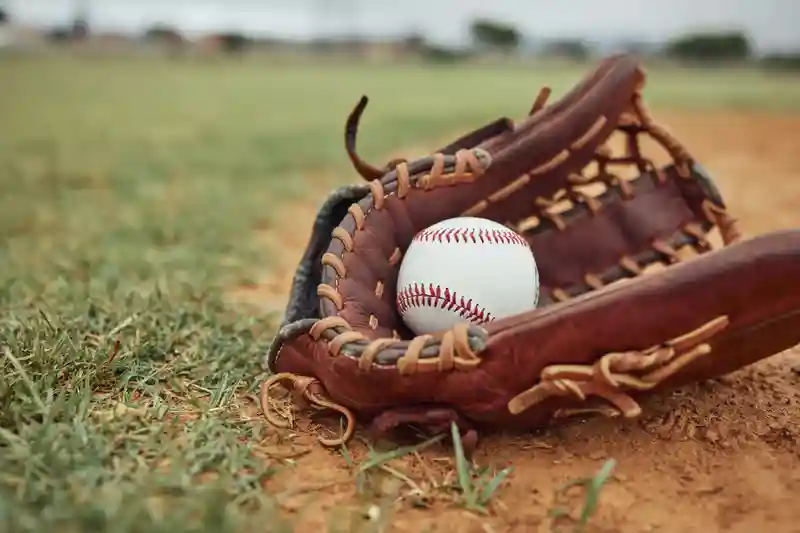
Every baseball player remembers the excitement of getting a new glove. The smell of fresh leather, the pristine appearance, and the anticipation of taking it onto the field create a sense of excitement that few pieces of sporting equipment can match. However, that excitement is often accompanied by a common realization: a brand-new glove can feel surprisingly stiff. It may be difficult to close, uncomfortable to wear, and less effective at securing catches than expected.
This stiffness is not a flaw. In fact, it is often a sign of quality construction. Most baseball gloves are designed with durable materials intended to withstand years of use. Before they reach their full potential, however, they must go through a process known as glove breaking. This process transforms a rigid, factory-produced glove into a personalized piece of equipment that conforms to the player’s hand, position, and playing style.
Baseball glove breaking has been an important part of the sport for generations. Players invest significant time and effort shaping, softening, and customizing their gloves because they understand the impact a properly broken-in glove can have on performance. Whether someone is an aspiring youth athlete, a high school competitor, or an experienced player, understanding what glove breaking involves and why it matters can help maximize both comfort and effectiveness on the field.
Defining Baseball Glove Breaking
Baseball glove breaking refers to the process of preparing a new glove for practical use.
The goal is to improve flexibility, comfort, and functionality.
Breaking in a glove typically involves:
- softening the leather
- shaping the pocket
- increasing flexibility
- customizing fit
- improving closure
Rather than simply making the glove softer, the process helps transform it into a tool tailored to the player’s needs.
A properly broken-in glove should feel natural and responsive.
Why New Gloves Feel Stiff
Most baseball gloves are manufactured using durable leather designed to withstand years of use.
To preserve structure and longevity, manufacturers intentionally produce gloves with a certain level of stiffness.
This stiffness helps:
- maintain shape
- protect the glove during shipping
- extend durability
However, it can also make the glove difficult to use immediately after purchase.
Breaking in helps overcome this initial rigidity.
The Importance of Leather Adaptation
Leather is a unique material because it changes over time.
Unlike many synthetic materials, leather gradually adapts to repeated use.
As players catch balls, open and close the glove, and handle it regularly, the leather fibers begin adjusting to those movements.
This adaptation process contributes to the personalized feel that many players value.
Why Glove Breaking Is Important
Glove breaking is important because a stiff glove may not perform efficiently during game situations.
Difficulties may include:
- securing catches
- controlling the ball
- closing the glove quickly
- maintaining comfort
A properly broken-in glove can improve overall fielding performance and confidence.
For many athletes, glove preparation is considered an essential part of equipment management.
Improving Catching Ability
One of the most obvious benefits of glove breaking is improved catching performance.
A glove that closes naturally around the ball is often easier to use during fast-paced situations.
This can contribute to:
- cleaner catches
- better ball retention
- fewer mishandled plays
Fielding reliability often improves as the glove becomes more responsive.
Creating a Functional Pocket
The pocket is the area of the glove where the ball settles after a catch.
New gloves often have pockets that are not fully developed.
Breaking in helps shape this area according to the player’s preferences.
A well-formed pocket can support:
- ball control
- catch security
- smoother transfers
Pocket formation remains one of the primary objectives of the break-in process.
Enhancing Player Comfort
Comfort is another major reason glove breaking matters.
A stiff glove may feel awkward or restrictive.
As the glove softens and adapts to the player’s hand, comfort often improves significantly.
Enhanced comfort can reduce distractions and allow players to focus more effectively on the game.
Supporting Faster Reactions
Baseball often requires quick reactions.
Fielders must respond rapidly to line drives, ground balls, and pop flies.
A glove that closes efficiently may help players react more naturally.
The improved responsiveness of a broken-in glove can contribute to smoother fielding mechanics.
Building Confidence on the Field
Confidence plays a major role in athletic performance.
Players who trust their equipment often perform more effectively.
A properly broken-in glove provides a sense of familiarity and reliability.
Knowing that the glove will respond as expected can help players focus on the game rather than worrying about equipment limitations.
The Relationship Between Position and Break-In
Different positions often require different glove characteristics.
As a result, glove-breaking approaches may vary.
Players frequently customize their gloves according to the demands of their specific roles on the field.
Understanding these differences helps explain why glove breaking is highly individualized.
Infield Gloves
Infielders typically prioritize quick ball transfers.
Their gloves often feature:
- shallower pockets
- faster closures
- greater control
The break-in process usually focuses on supporting these objectives.
Outfield Gloves
Outfielders often prioritize catch security.
Their gloves generally feature:
- deeper pockets
- larger dimensions
- enhanced ball retention
Break-in methods may emphasize creating a pocket capable of securing high-speed catches.
Catcher’s Mitts
Catcher’s mitts are unique compared to other baseball gloves.
They must handle repeated high-velocity pitches.
Break-in goals often focus on:
- pocket formation
- impact absorption
- receiving comfort
The process may take longer due to the mitt’s specialized construction.
First Baseman’s Mitts
First baseman’s mitts are designed to receive throws from multiple angles.
Break-in techniques often emphasize flexibility and catch security.
The desired pocket shape may differ from those used by other fielding positions.
How Glove Breaking Works
The break-in process relies on repeated movement and controlled stress applied to the glove.
Over time, these actions help:
- loosen leather fibers
- increase flexibility
- establish preferred shaping
The process is gradual and typically requires patience.
There is rarely a truly instant solution.
Playing Catch as a Break-In Method
Many experienced players consider regular use the most effective break-in strategy.
Playing catch repeatedly helps create natural wear patterns.
Benefits include:
- realistic shaping
- gradual softening
- personalized adaptation
The glove develops according to actual playing conditions.
Repetition and Muscle Memory
As players use their gloves regularly, both the glove and the player adapt.
The glove becomes more responsive while the player develops familiarity with its behavior.
This relationship contributes to better performance over time.
Using Glove Mallets
Glove mallets are commonly used during the break-in process.
These tools simulate the impact of a baseball.
They can help:
- form pockets
- soften key areas
- increase flexibility
When used appropriately, mallets can complement regular field use.
Glove Conditioning Products
Many players use conditioning products designed specifically for baseball gloves.
These products may help maintain leather quality and flexibility.
Potential benefits include:
- moisture balance
- leather preservation
- improved feel
However, moderation remains important.
Excessive use may negatively affect glove structure.
Why Patience Matters
One of the most overlooked aspects of glove breaking is patience.
Many players seek shortcuts that promise immediate results.
Unfortunately, aggressive methods may damage the glove.
Gradual break-in often produces better long-term outcomes.
Patience allows the leather to adapt naturally.
Common Myths About Glove Breaking
Numerous myths have surrounded glove breaking for decades.
Some methods have become famous despite concerns about their effectiveness or safety.
Understanding these myths helps players make informed decisions.
The Oven Method
Some players have historically used ovens to soften gloves.
While heat may temporarily increase flexibility, excessive temperatures can damage leather fibers.
Potential consequences include:
- cracking
- drying
- reduced durability
Most manufacturers discourage this approach.
The Microwave Method
Microwaving gloves is another commonly discussed shortcut.
This method carries significant risks.
Heat exposure may damage both the leather and internal components.
As a result, it is generally considered unsuitable.
Excessive Water Exposure
Soaking gloves in water has also been used historically.
Although moisture may affect flexibility temporarily, excessive exposure can compromise leather integrity.
Potential problems include:
- stiffness after drying
- shape distortion
- premature wear
Controlled moisture management is preferable.
Long-Term Benefits of Proper Breaking
A carefully broken-in glove often provides years of reliable service.
Benefits may include:
- consistent performance
- enhanced comfort
- personalized fit
- improved durability
The time invested during the break-in process often pays dividends throughout the glove’s lifespan.
Maintaining a Broken-In Glove
Breaking in a glove is only the first step.
Ongoing care helps preserve performance.
Recommended maintenance practices often include:
- cleaning
- conditioning
- proper storage
- routine inspection
Consistent care supports long-term durability and functionality.
The Emotional Value of a Well-Broken-In Glove
For many players, a glove becomes more than equipment.
Over time, it accumulates memories associated with:
- practices
- games
- achievements
- milestones
This emotional connection helps explain why athletes often keep favorite gloves long after their playing careers end.
Modern Glove Technology
Manufacturers continue developing new glove technologies.
Companies such as Rawlings, Wilson Sporting Goods, and Mizuno offer gloves designed with varying break-in characteristics.
Some models prioritize faster readiness, while others emphasize long-term customization and durability.
Frequently Asked Questions
What is baseball glove breaking?
It is the process of softening, shaping, and customizing a new glove to improve comfort and performance.
Why are new gloves stiff?
Manufacturers intentionally design gloves with stiffness to maintain structure and durability.
How long does it take to break in a glove?
The timeframe varies depending on glove quality, usage frequency, and break-in methods.
Is playing catch the best break-in method?
Many experienced players consider regular use one of the safest and most effective approaches.
Can improper break-in methods damage a glove?
Yes. Excessive heat, water, or aggressive treatments may reduce durability and affect performance.
Final Thoughts
Baseball glove breaking is an essential process that transforms a new glove from a stiff piece of equipment into a personalized tool designed to support performance on the field. Through repeated use, careful shaping, and thoughtful maintenance, players create gloves that reflect their individual preferences, positions, and playing styles. The process enhances comfort, improves catching ability, supports better control, and builds confidence during competition.
Although many shortcuts and myths continue to circulate, successful glove breaking ultimately depends on patience and consistency. A properly broken-in glove not only performs better but often becomes one of the most trusted and valued pieces of equipment a player owns. Whether used in youth leagues, high school competition, collegiate play, or professional baseball, a well-prepared glove can provide years of reliable service and become an important part of an athlete’s experience in the game.